Visiting timetableClosed
|Friday, October 2, 2026Cankurtaran, Topkapı Sarayı, 34122 Fatih, Istanbul, Türkiye
Back to history
architecture
Topkapi’s Fourth Courtyard: Pavilions, Gardens, and Views
A quick guide to the pavilions and garden views of Topkapi’s Fourth Courtyard.
12/17/2025
8 min read
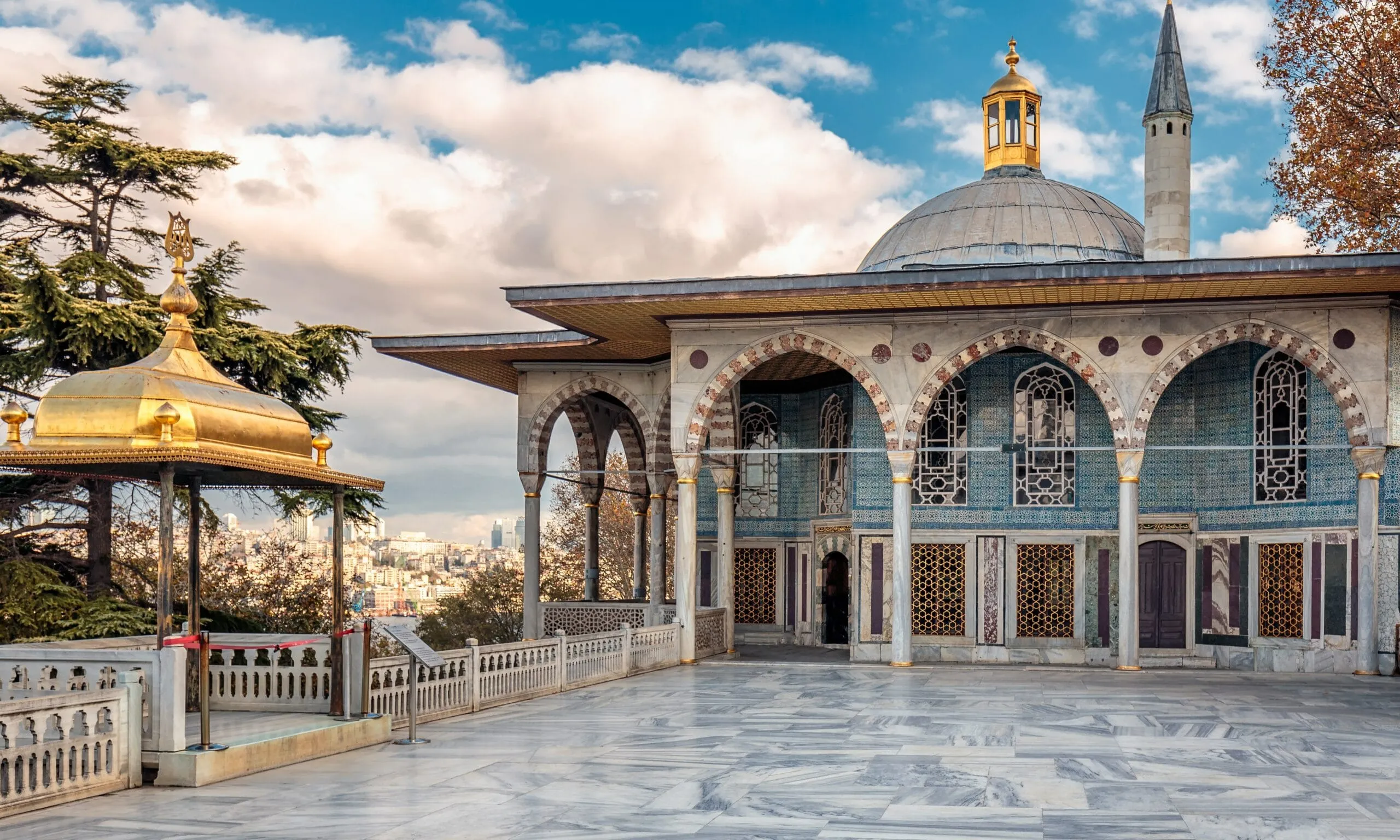
> Quick take: The Fourth Courtyard is **soft power** made visible — terraces, kiosks, and gardens that turn serenity into a statement.
---
## Overview
The Fourth Courtyard crowns Topkapi’s inward journey. After the protocol-heavy spaces of the Second and Third Courtyards, this area opens into terraces, intimate pavilions, and long views over the Bosphorus and the Golden Horn. It’s where calm becomes a form of authority.

---
## Key Ideas at a Glance
- **Scale**: Small pavilions, big horizons — intimacy against vast views.
- **Light**: Lateral, reflective; gilding and tile catch soft glows.
- **Movement**: Slow, meandering paths; seats, edges, and frames invite pause.
- **Symbolism**: Leisure as legitimacy — cultivated gardens imply order and control.
---
## Pavilions & Kiosks
- **Terrace Pavilions**: Intimate rooms with shaded exteriors; look for tiled dados, carved wood, and patterned ceilings.
- **Garden Kiosks**: Seasonal use; scaled for conversation, reading, and quiet receptions rather than spectacle.
- **View Platforms**: Low walls and rails frame the water; perfect for understanding Topkapi’s command of the peninsula.
> Design note: Pavilions emphasize **thresholds** — shallow stairs, shaded porches, and doorframes that stage entrance and exit.
---
## Gardens & Planting
- **Geometry**: Paths organize lawns and beds; axes align with long views.
- **Ornamental Trees**: Shade first, bloom second; framing the skyline matters.
- **Water**: Basins and shallow fountains add a calm acoustic layer.
---
## Best Routes & Moments
1. Walk the terrace edge first to understand the panorama.
2. Circle back through the pavilions; step inside where access is open.
3. Finish with a seated pause — the site is designed for lingering.
> Timing: Late afternoon softens light and crowds, revealing surface textures without glare.
---
## Photography Tips
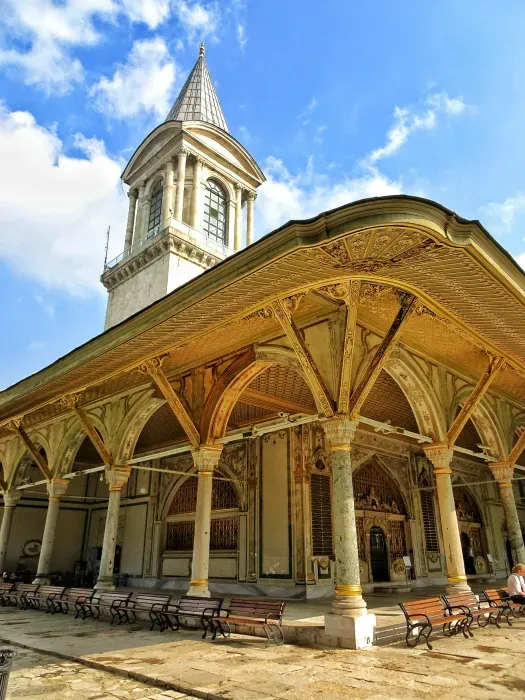
- Shoot **diagonals** across terraces to layer foreground rails, mid-ground pavilions, and distant water.
- For interiors, step **slightly off-axis** to avoid window hotspots.
- Use edges — low walls and door frames — to stabilize hand-held shots.
---
## Reading the Space
- **From protocol to pause**: You’ve moved from choreographed access (courts and councils) to curated repose.
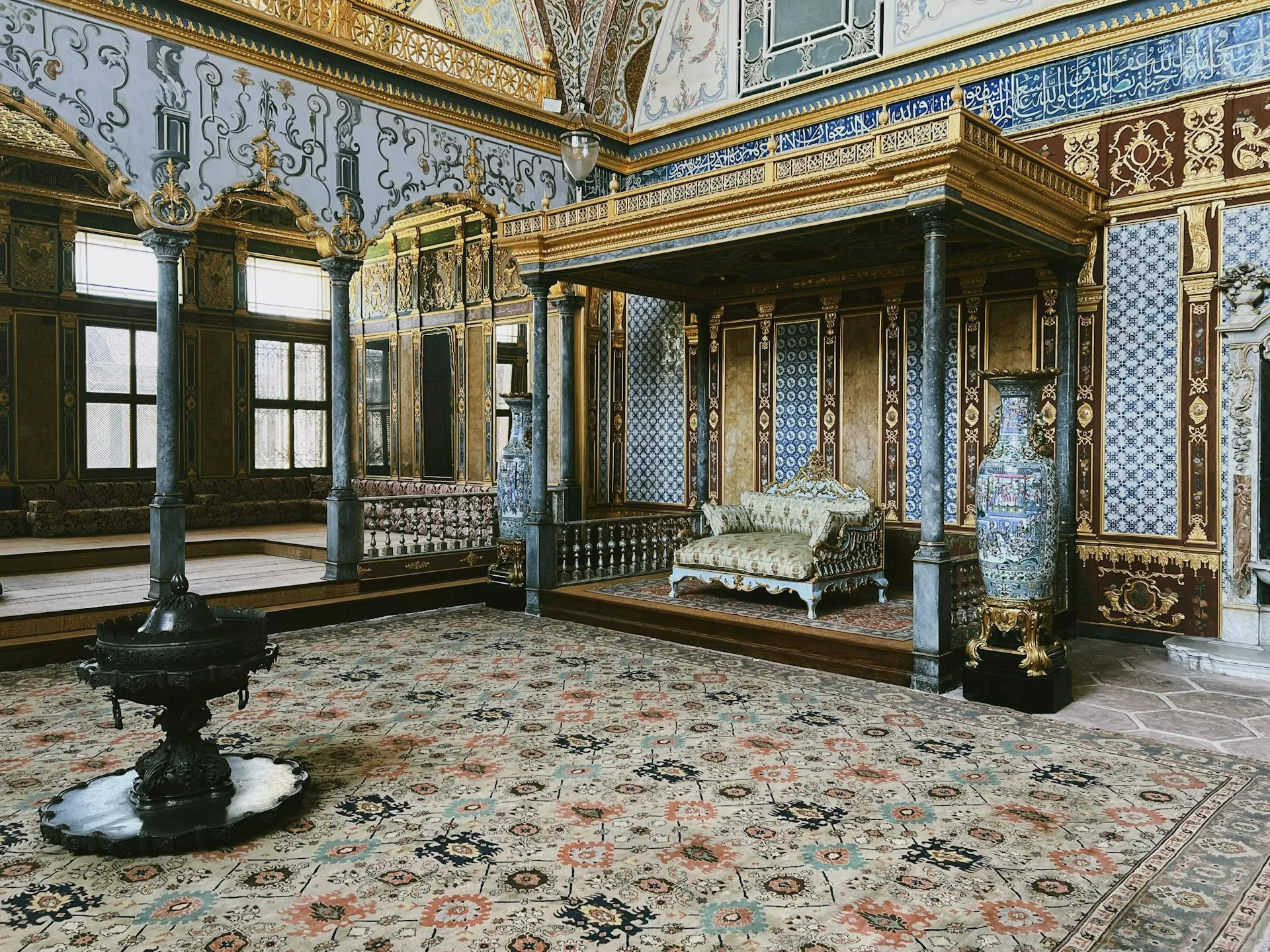
- **Materials as mood**: Tile, wood, and gilding are tuned for glow, not glare.
- **Edges as furniture**: Steps, rails, and low walls create informal seating and frames.
---
## Visitor Practicalities
- Surfaces can be polished — wear **grippy shoes**.
- Respect barriers; small hedges or low chains may define protected beds or edges.
- Wind can rise quickly on the terrace; secure hats and loose items.
---
## FAQ
- **Why are the pavilions small?**
- They’re scaled for private use — conversation, reading, and reflection — not mass audience.
- **Where are the best views?**
- Follow the terrace edges; frame the city using pavilion corners for context.
---
### Image Highlights

---
## Bottom Line
End your visit here: the gardens and kiosks let the palace **exhale** into sky and water.
About the Author

Istanbul Planner
I built this to help you meet Topkapi Palace with calm, context, and care—so gardens, galleries, and Bosphorus light can speak clearly of centuries.
Tags
Fourth Courtyard
pavilions
gardens
views
Comments (0)
Leave a Comment
Loading comments...